
Family of six beavers released into the Loch Ness catchment 500 years after the last record there
The release at Trees for Life's Dundreggan estate in Glenmoriston is the first of at least 15 planned under the Ness Beaver Project.
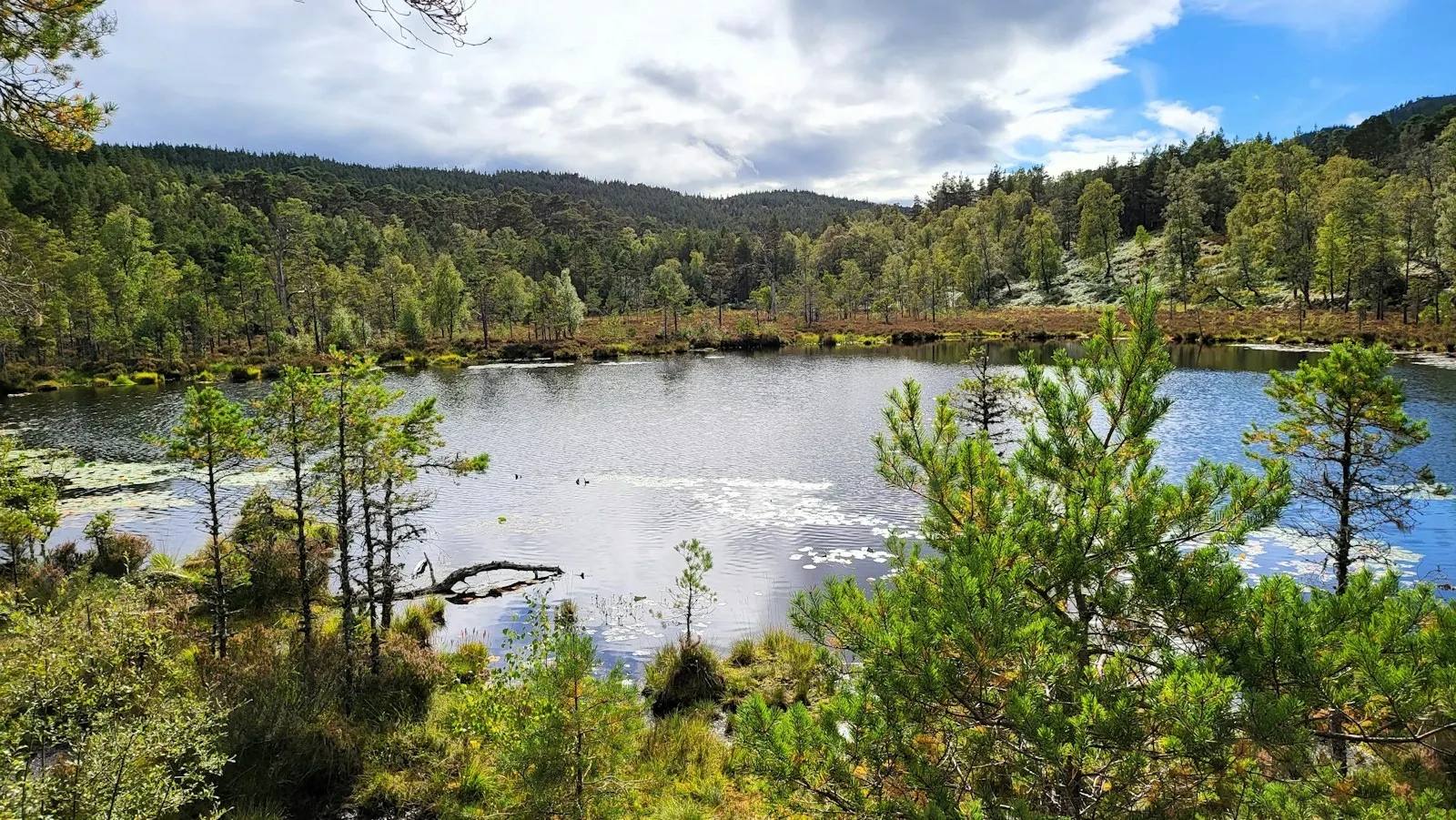
A family of six beavers was let go into a lochan on the Dundreggan estate in Glenmoriston on Wednesday 4 November, half a millennium after the loch became the last place in Scotland where the animals were recorded before they were hunted out.
The beavers were moved from elsewhere in Scotland. Before they went into the water they had health checks at the specialist beaver holding facility at Five Sisters Zoo. The release was announced by the charity Trees for Life, which owns the 10,000-acre estate.
The first of at least 15
This family is the opening release of the Ness Beaver Project, run by Trees for Life and Beaver Trust with support from Forestry and Land Scotland. Over the next three years the partners intend to return at least 15 family groups to lochs, lochans and rivers across the catchment, giving the populations room to spread out and link up through woodland and along river and loch banks.
NatureScot, the government's nature agency for Scotland, granted the licence on 30 October after Trees for Life applied over the summer. The locations of later releases will only be made public once each group has been put in place, so the animals can settle without being disturbed.
Dams and wetlands
Beavers dig channels, coppice trees and build dams. The pools and wetlands they leave behind suit frogs and dragonflies, and the insects that follow feed birds and bats. On small streams the dams hold back water and trap silt, which the charities say improves water quality, reduces flooding further down and keeps wet ground in place through dry spells.
A monitoring and mitigation group is being set up alongside the releases, and Trees for Life's locally based beaver officer will work alongside Beaver Trust staff.
Seeing them
Dundreggan is also home to Trees for Life's Rewilding Centre. Once the new arrivals have settled, the charity plans to run guided tours there so visitors can try to spot them and look for signs of their work.