
Rare greater one-horned rhino calf born at Chester Zoo after a 15-month pregnancy
Cameras caught the birth and the calf's first steps, and keepers say mother Asha and the youngster are both in good health.
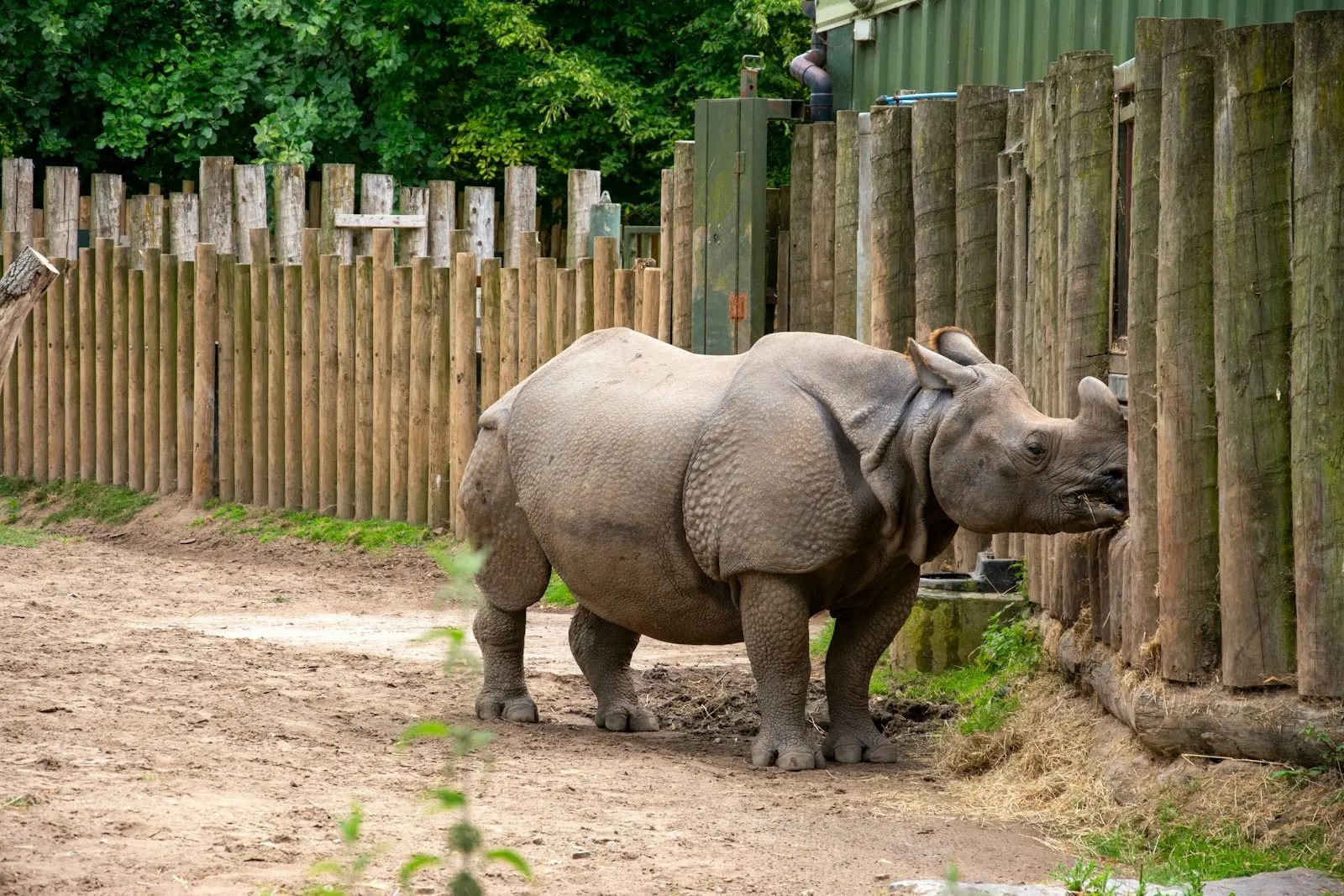
Asha, an experienced mother, gave birth to the calf at Chester Zoo this week after carrying it for about 15 months. The zoo's CCTV recorded the birth and the wobbly first steps that followed.
Keepers say the calf was standing within an hour and feeding soon afterwards. Mother and calf spent their first few days indoors to keep warm and have since moved out into a paddock away from the public areas. A newborn of this species weighs roughly 45kg, while the largest adults can weigh more than two tonnes.
The calf is the fourth that Asha has had with Beni, the zoo's male rhino, who died earlier this year after a short and sudden illness.
Dung samples and hormone tests
The pregnancy was tracked without disturbing Asha. Keepers collected her dung regularly, and scientists in the zoo's own laboratory measured the hormone levels in it. That told the team when she was most likely to be receptive, so the two rhinos could be introduced safely, and later tests confirmed she was expecting.
Asha is one of relatively few greater one-horned rhinos in Europe that are breeding, so each birth matters to the Europe-wide conservation breeding programme that keeps a healthy and genetically varied population in zoos.
In the wild, around 4,000 greater one-horned rhinos live in the wetlands, forests and grasslands of India and Nepal. Habitat loss and trophy hunting pushed the species close to extinction in the early 1900s, and poaching for horn has also threatened it. Numbers have recovered, but the species remains vulnerable, partly because so many of the animals are concentrated in a small number of protected areas.