
Coventry Cathedral puts its Blitz-surviving medieval glass on a free app for November
About 12,000 fragments of 15th-century stained glass have been photographed and catalogued, and a selection can be explored on Bloomberg Connects while they stay in storage.
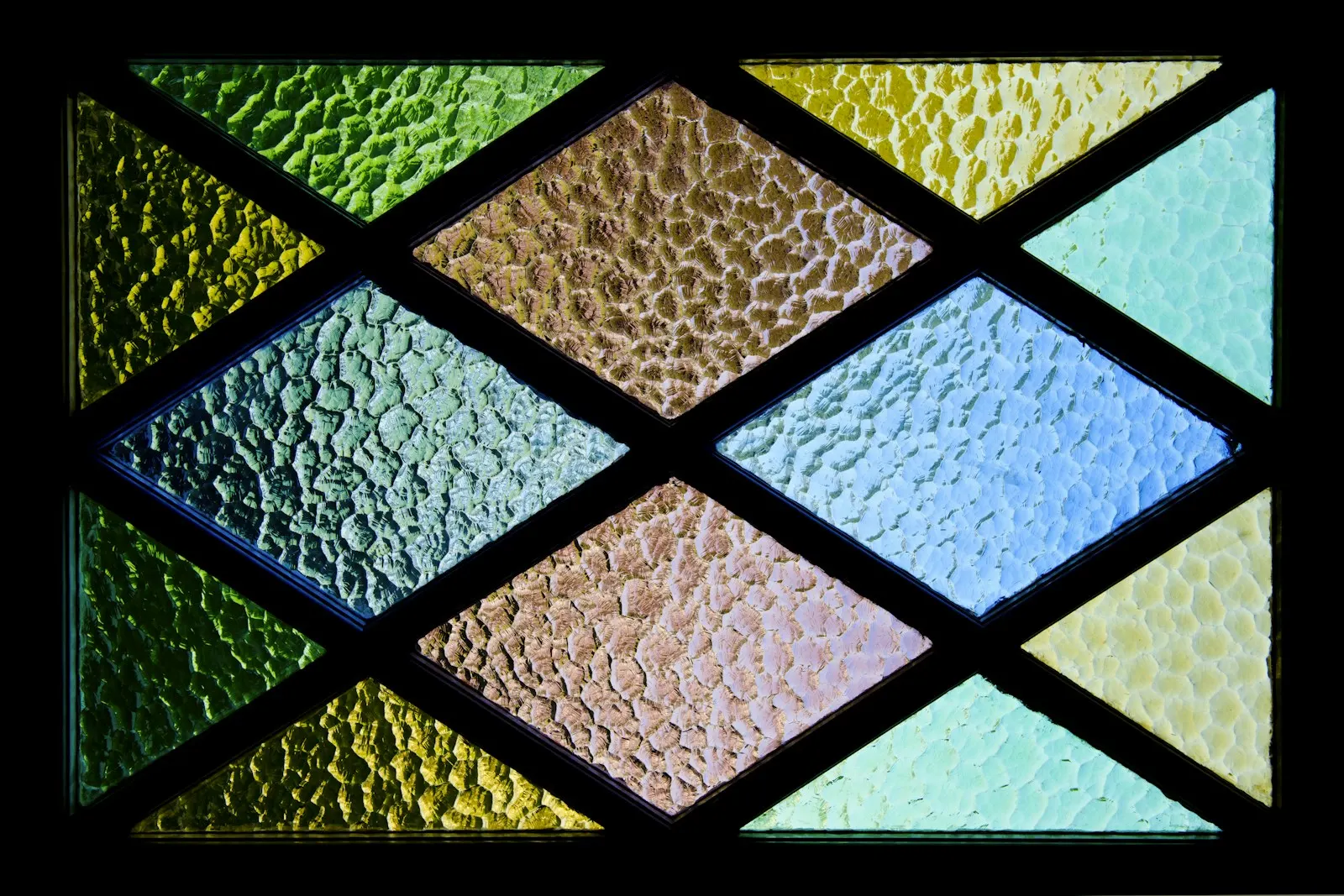
Roughly 12,000 pieces of medieval stained glass that are too fragile to go on display can now be looked at on a phone.
Coventry Cathedral has finished cataloguing the fragments with the World Monuments Fund (WMF), and a selection can be viewed on the free Bloomberg Connects app until the end of November.
How the collection was recorded
The cataloguing was done as the glass was moved into new, purpose-built cabinets. Every tray was given its own number and location and photographed, and the details went into a digital record that now serves as a full inventory. It is the first time in more than a decade that the whole collection has been kept in one place.
The fragments show scenes from the Passion, saints, the twelve apostles, kneeling donors and heraldic shields. Most date from the 15th century and is attributed to John Thornton of Coventry, one of the leading English glaziers of his time. The cathedral compares its quality with glass of the same period at Canterbury Cathedral, York Minster and Westminster Abbey.
From the Blitz to the cabinets
During the Second World War the glass was packed into 30 wooden crates and taken to the rectory at Hampton Lucy, near Stratford-upon-Avon, where it stayed until 1957. The medieval cathedral of St Michael was largely destroyed in the Blitz on 14 November 1940, and its ruins were kept as a symbol of remembrance and reconciliation.
The cathedral's work with the WMF goes back to 2012, when it was placed on the World Monuments Watch and the glass was taken out of storage to be documented and conserved.
The cathedral says it hopes the November viewing will lead to a permanent digital archive of the collection.