Payphone that marks the centre of Great Britain gets Grade II listing
The KX100 kiosk at Dunsop Bridge in Lancashire was the 100,000th to be installed, and Sir Ranulph Fiennes made its first call in 1992.
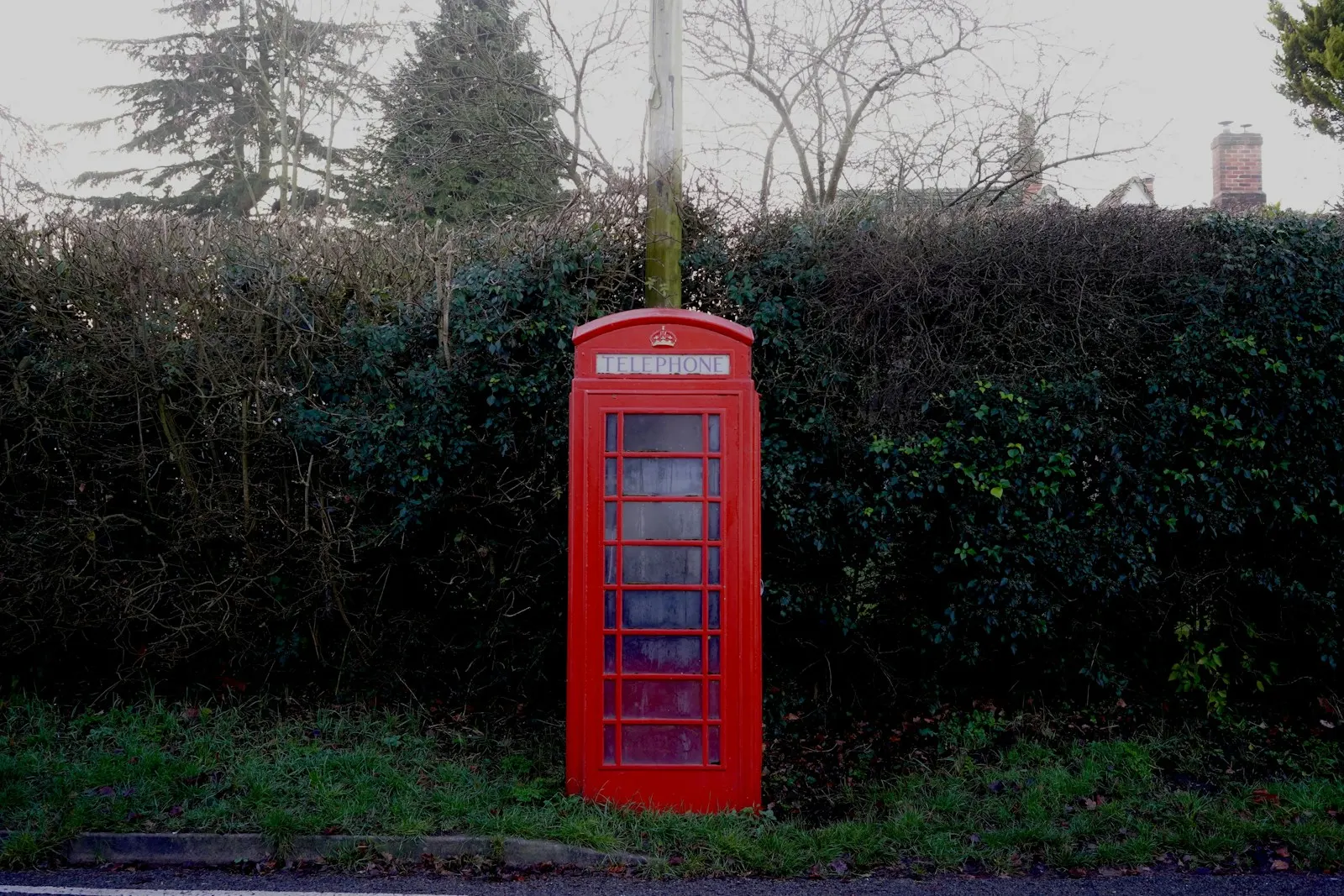
A phone box in a Lancashire village has joined the country's protected buildings. The KX100 kiosk at Dunsop Bridge, in the Ribble Valley, has been given Grade II listed status on the recommendation of Historic England.
BT installed the payphone in 1992, when it became the 100,000th telephone kiosk in the country. Explorer Sir Ranulph Fiennes opened it that June and made the first call, with pupils from nearby Thornleyholme RC Primary School alongside him. A plaque added by BT tells callers that the phone marks the centre of Great Britain.
An unlikely heritage case
The application came from an organisation that once fought the design. The Twentieth Century Society says the arrival of the KX100 in 1985 first spurred it into action, because the new kiosks were replacing traditional red boxes. Its successful application to Historic England to protect one went in alongside others for Scottish and Welsh examples.
Historic England called the Dunsop Bridge box nationally significant as part of the last generation of the public telephone box.
The KX100 has large glass panels, and the design aimed for easier cleaning and better access. The Dunsop Bridge version also has a design made for its site by Wolff Olins, with key places in Britain radiating out from the BT logo and the village.