
Glasgow 2026 Commonwealth Games brought £223m of economic activity to Scotland
The organisers' independent evaluation, published on Monday, says the 11-day Games were staged for less than £160m, with about 85% of the revenue coming from outside Scotland.
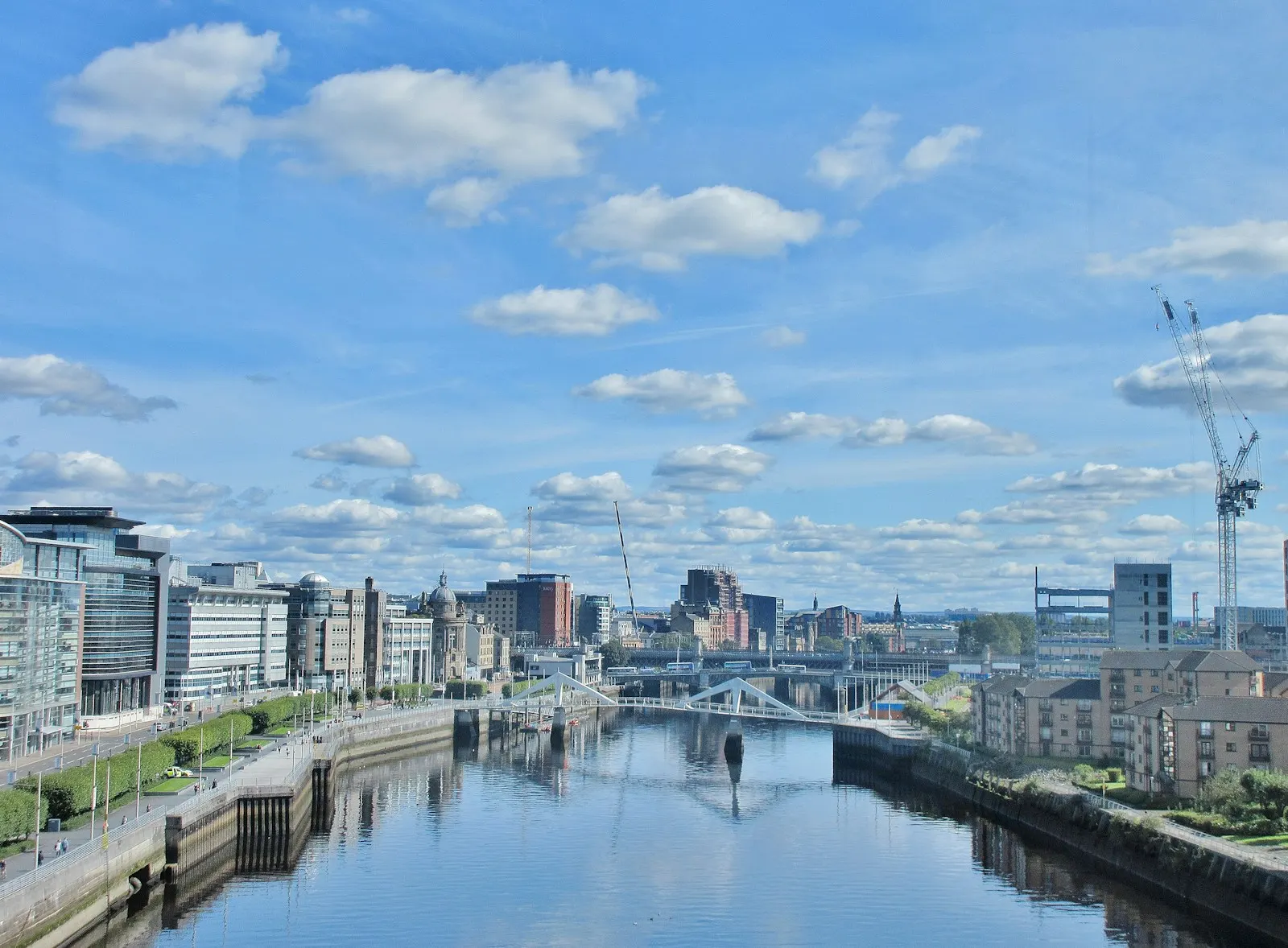
Glasgow's slimmed-down Commonwealth Games generated £223m of economic activity across Scotland, according to the independent impact evaluation commissioned by Commonwealth Sport and the Glasgow 2026 organising company and published on Monday 2 November. The figure is gross output. Measured as gross value added, the contribution to the Scottish economy was £117.3m.
The Games cost less than £160m to stage. Glasgow stepped in to host in October 2024, after the Australian state of Victoria pulled out, and built the event around venues it already had, inside a compact eight-mile corridor. Ten sports and six Para sports were held over 11 days in the summer, and 2,749 athletes from all 74 Commonwealth nations and territories took part.
Spending and jobs
The report says about 85% of Games revenue came from outside Scotland.
Spending showed up most strongly in hotels and other accommodation, professional and technical services, arts and sport, the building of temporary overlay, food and drink, and retail. The Games supported an estimated 2,400 full-time equivalent years of employment, and at least 82 students got paid jobs during the event.
The visible legacy the report points to is £5.7m of investment across three venues: Scotstoun Stadium, Tollcross International Swimming Centre and Glasgow International Arena.
Venues, waste and crowds
Using existing venues cut the need for new construction. Of the temporary venue infrastructure, 96% was hired, and 79% of the things that were bought were later recycled, donated or sold on. All waste was diverted from landfill, every competition venue ran on renewable electricity tariffs and the event gained ISO 20121 certification for sustainable event management.
A live audience of one million followed the Games across ticketed events, the King's Baton Relay, the festival programme and the Game On site in Kelvingrove Park, which alone drew 131,000 people. The broadcast reached a global audience of 510 million in 166 territories. Six world records and 152 Commonwealth Games records fell, and the 47 Para sport medal events made it the biggest Para programme the Games have held.
Off the track, 4,000 volunteers gave 156,000 hours, and more than a third of them had never volunteered before. Community activity reached all 32 Scottish council areas, and more than £2m went to local groups through the Festival Fund and Awards for All.
Commonwealth Sport, which runs the Games, said Glasgow's experience gave other hosts a template for shaping the event around what they already have. The next Games, the centenary edition, go to Amdavad in India in 2030.


