
Most drivers worried about headlight dazzle as the clocks go back, RAC survey finds
Brighter modern headlights are making night driving harder for many motorists, according to new RAC research, and one in five plans to drive less once the evenings get darker.
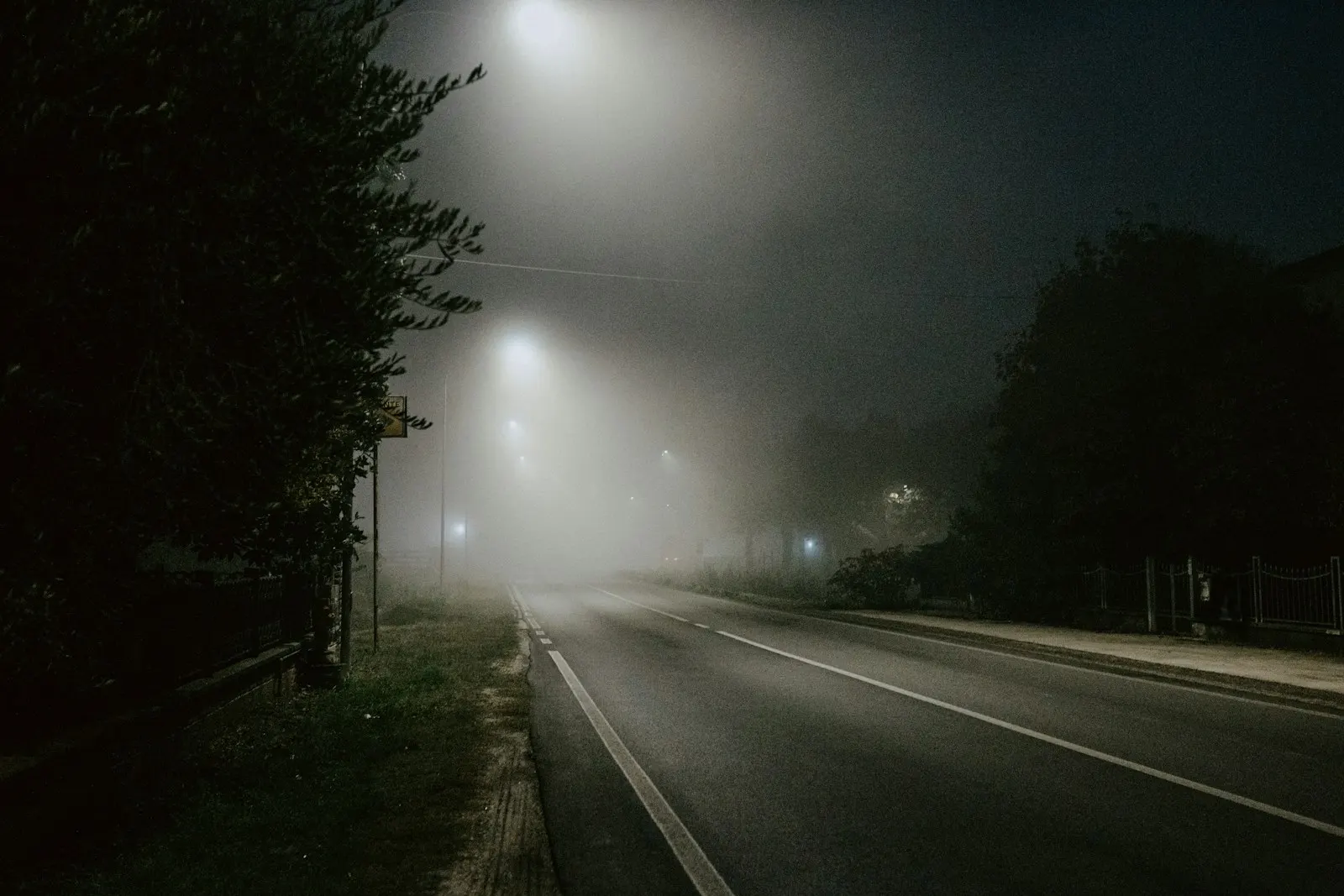
The clocks go back at 2am on Sunday, and for many drivers the darker evenings bring a familiar problem: being dazzled by oncoming headlights. New research for the RAC suggests the issue is widespread, with more than four in five motorists concerned about glare as night falls earlier.
The RAC surveyed 1,208 regular UK drivers this month. Of those, 83% said they were worried about the effect of glare on their driving in the late afternoon and evening, and 76% of drivers affected by it believe it is getting worse.
What dazzle does on the road
Among drivers who are affected, 63% said glare makes it difficult to see the flashing indicators of oncoming vehicles. Half said it makes other hazards harder to spot, 49% struggle to see road signs and markings, and 47% find it hard to judge where oncoming vehicles are. Around a third said they are temporarily blinded, and 14% said they had narrowly avoided a collision.
The research also points to a knock-on effect on everyday life. Some 21% of drivers plan to drive less once the clocks change, and another 3% intend to stop driving after dark completely. Among those who already limit night driving, many said they see friends and family less often.
Drivers reported more glare from white headlights, which are mostly LEDs, than from the yellower light of older halogen bulbs. Just over half of those affected blamed larger vehicles that sit higher on the road.
The technology question
A study for the Department for Transport, carried out by the Transport Research Laboratory and published in November 2025, found that higher brightness was linked to a greater chance of glare, and that whiter headlamps were generally seen as the most troublesome. It also suggested headlight testing should reflect how bright a lamp looks to other road users, rather than measuring its output alone. The RAC said further UK research was committed to in January's Road Safety Strategy, and that the government contributes to the international group that writes vehicle lighting rules.
Simple steps that help
The RAC and the College of Optometrists suggest a few easy habits for the darker months:
- keep the windscreen clean inside and out, along with your glasses if you wear them
- have regular sight tests and keep your prescription up to date
- if you are dazzled, look briefly towards the kerb or side of the road until your vision recovers, and slow down safely
- adjust your rear-view mirror for night driving
To avoid dazzling others, dip your headlights in good time and learn how to override automatic dimming, which may not react quickly enough to cyclists or pedestrians. A heavy boot or passengers in the back can tilt the beam upwards, so use the headlight-levelling control as the handbook describes. If other drivers often flash you at night, a garage can check the alignment.