Jo Malone's £100,000 gift buys detection dog charity a new scent research rig
Medical Detection Dogs in Milton Keynes says the SniffSpace platform will let its dogs work through more samples and help train an electronic nose.
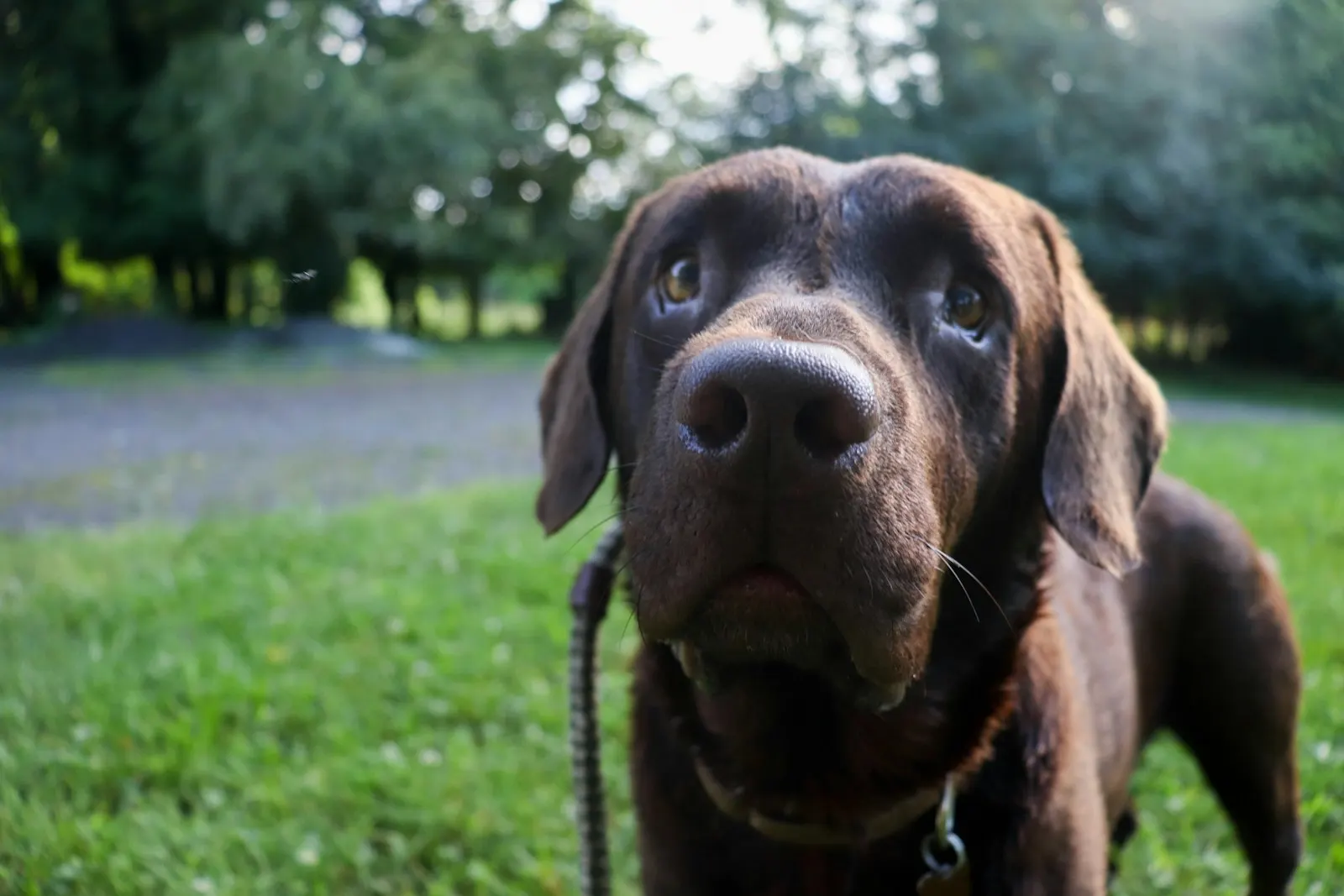
The dogs at Medical Detection Dogs are getting new equipment, paid for by someone with an unusually good nose of her own.
The perfumer Jo Malone and her husband, Gary Willcox, have given the Milton Keynes charity £100,000 to buy a research platform called SniffSpace. Ms Malone has been one of the charity's ambassadors for almost ten years. When she first visited, she tested her sense of smell against some of its best dogs, and the charity says hers turned out to be comparably sharp.
What the money pays for
The charity trains dogs to pick out the smell of diseases in samples such as urine. At the moment its dogs sniff along rows of up to eight stands. After each row, trainers have to write down the results by hand and move the samples around before the next run.
SniffSpace will rotate the samples automatically, so the dogs can check more of them in less time inside a secure room. It will also measure the small changes in a dog's behaviour that show what it has decided about each sample, giving the charity more detailed data than a handler's notes can.
The charity says the equipment is meant to support the dogs rather than make their work harder, and that play and the bond with their handlers stay at the centre of how they are trained. A team of dogs is now being prepared to learn the new set-up, which is due to be installed in the new year.
The electronic nose
The bigger aim is an electronic nose that could one day do what the dogs do, but at a far larger scale. The device is being developed by the physicist Dr Andreas Mershin at RealNose.ai, who has worked with the charity for more than ten years, and the charity's early work with it has focused on prostate cancer.
The dogs' alerts and the new behavioural data will help the researchers work out which scent signatures the machine needs to learn. The technology is still in development and is not available as a test.
The NHS says prostate cancer often causes no symptoms at first. When it does, they can include straining or difficulty starting to pee, a weak flow, and needing to pee more often or more urgently, and the NHS advises anyone with those problems to see a GP.
The charity's chief executive, Dr Claire Guest, said working out exactly what dogs are detecting when they alert to cancer is one of the biggest challenges in the field, and called the gift a game-changing moment for the charity.