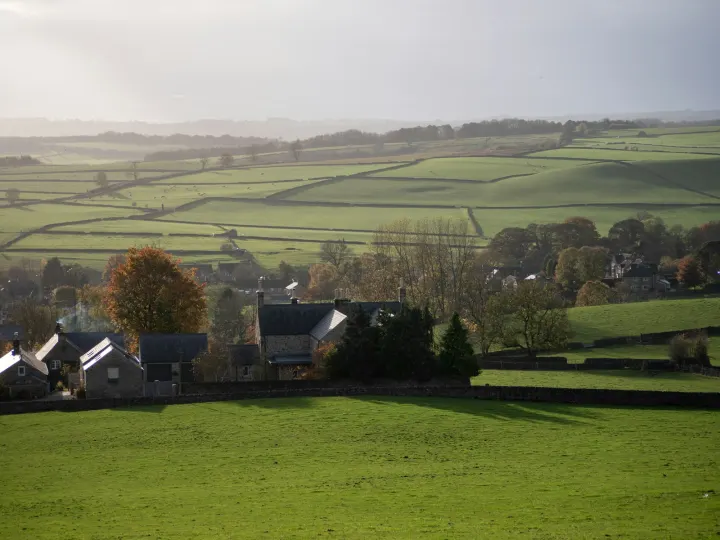
Leaf-clearing trains added to Devon's Okehampton and Barnstaple lines this autumn
Network Rail's four Great Western treatment trains will cover about 90,100 miles by mid-December, and a new rail coating is on trial in Gloucester.
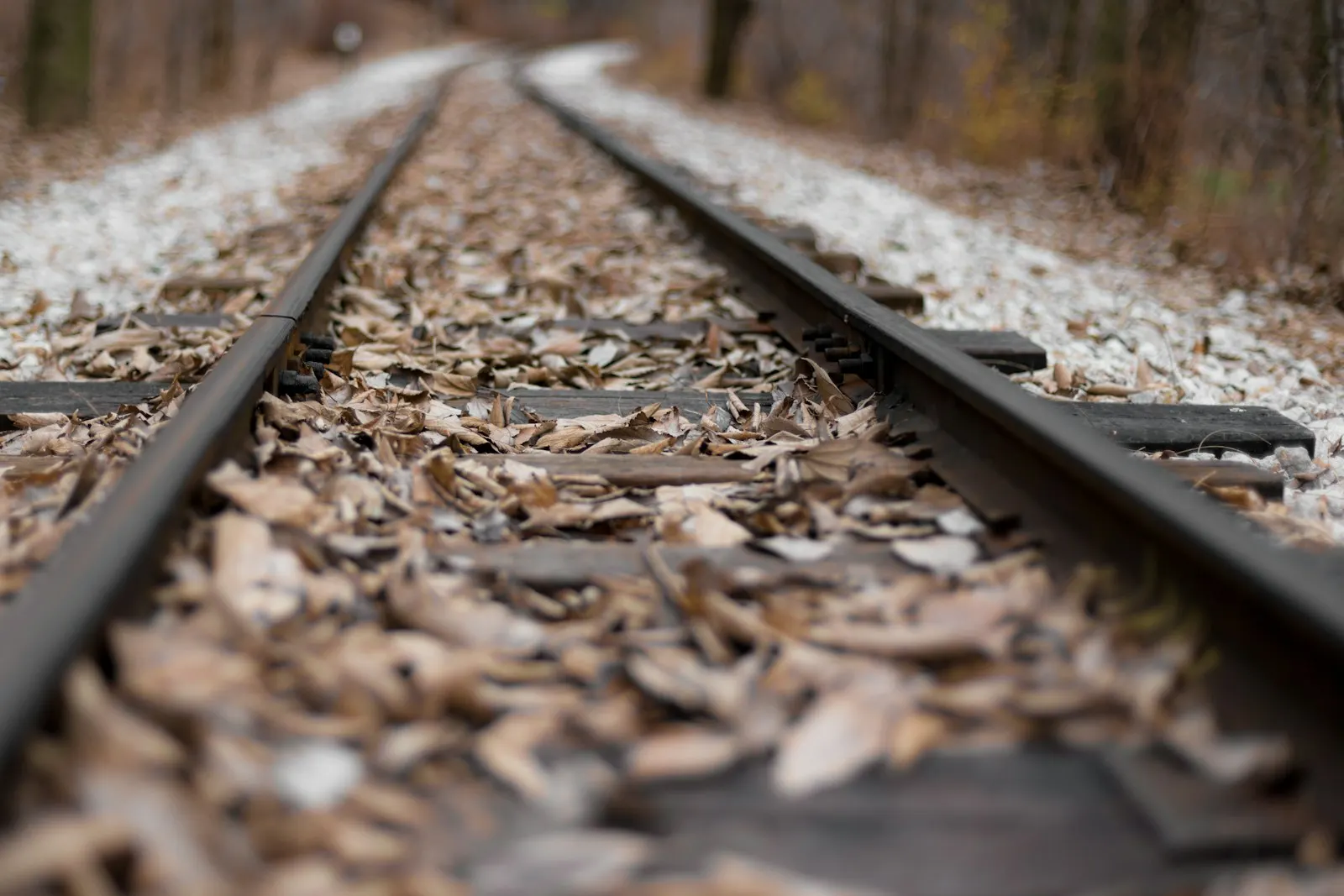
Two Devon branch lines have been added to the rounds of Network Rail's leaf-clearing trains this autumn, while the company tries out a new rail treatment in Gloucester.
The Okehampton and Barnstaple lines are now treated twice a week by rail head treatment trains. Until now, mobile operations managers put sand down by hand at places that were hard to reach.
Four of these trains are working the Great Western route from the start of October to mid-December, and together they are due to cover about 90,100 miles. Network Rail puts that at roughly three and a half times around the world.
Why leaves matter
Wheels crush wet leaves into a thin, slippery layer on the rails, which Network Rail compares to black ice on a road. Drivers have to brake earlier and accelerate more gently, and the mulch can also interfere with the equipment that detects where trains are.
The treatment trains blast that layer off with high-pressure water jets, then apply a product that helps wheels grip.
New kit on trial
Gloucester is testing a treatment that leaves a water-resistant layer on the rail, which could reduce how often the track needs doing.
Devon has also had a separate trial, this time for rivers. At one location, sensors measured how water moves at the surface and on the riverbed, helping engineers judge the risk of scour to bridge foundations. Divers can only inspect once river levels and water speed have dropped to safe levels, so the sensors could cut the need for those inspections and allow lines to reopen sooner.
Control teams also get leaf-fall forecasts twice a day during autumn, covering rail conditions and how many leaves are still on the trees. Meteorologists at MetDesk support the wider weather forecasting.