MPs to debate petition calling for prostate cancer screening for high-risk men
More than 101,000 people signed the petition, which asks the government to go further than its screening advisers have recommended. It will be debated in Westminster Hall on Monday.
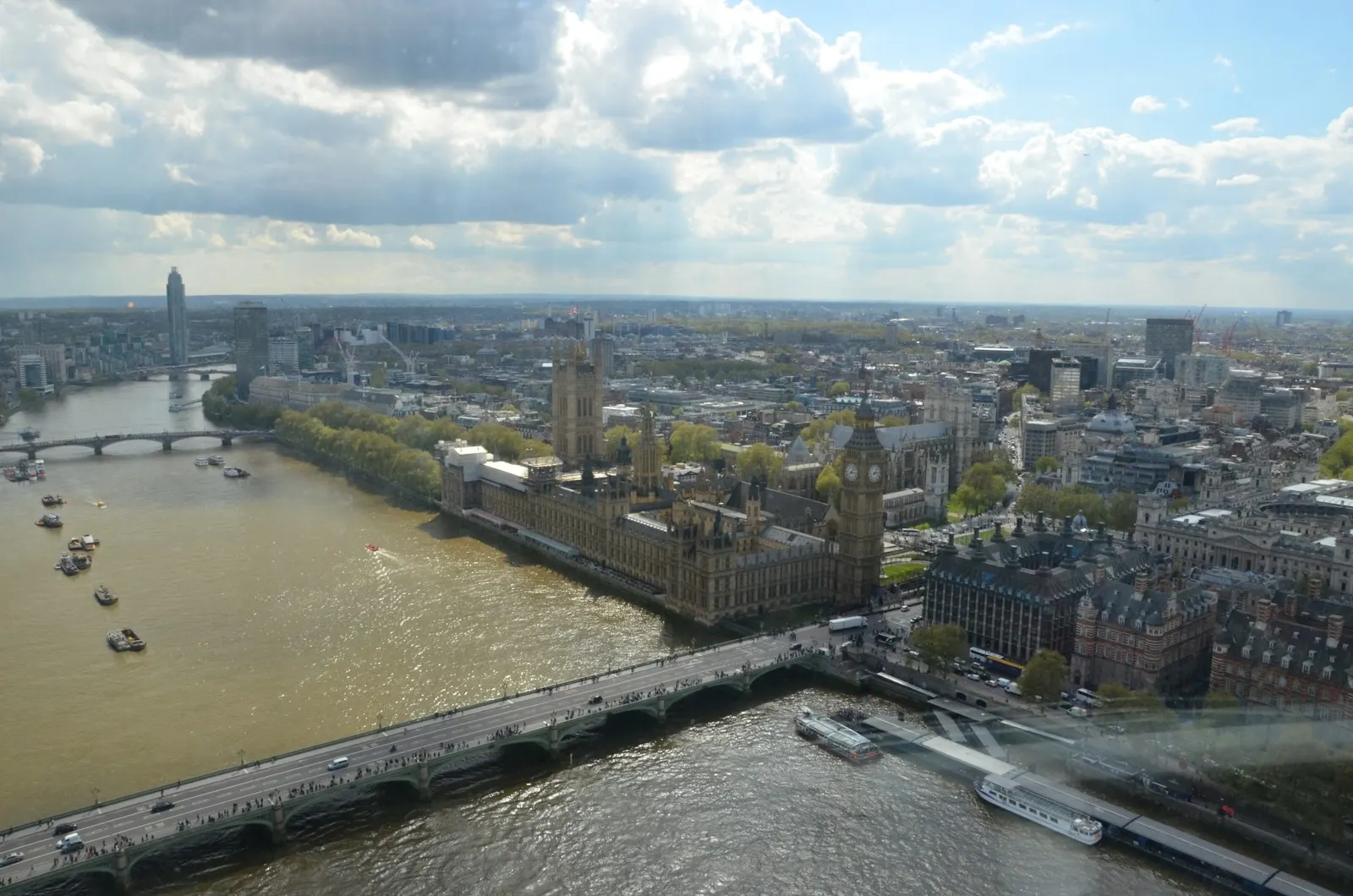
A petition asking for a prostate cancer screening programme will be debated by MPs on Monday, giving the more than 101,000 people who signed it a hearing in Parliament.
The debate takes place in Westminster Hall, the second chamber of the House of Commons, from 4.30pm. It is one of two petition debates scheduled that afternoon.
What the petition asks
The petition calls on the government to introduce screening for all men at high risk of prostate cancer, as a first step towards a programme that could one day cover all men. It was started in January, passed the 100,000 signature mark on 5 July and closed a week later with 101,931 signatures.
Its organisers point out that prostate cancer is the most commonly diagnosed cancer in men in the UK but has no national screening programme. They argue that the risks of screening have fallen as diagnosis has improved.
Where things stand
Decisions about screening across the four nations are guided by the UK National Screening Committee, an independent expert group that advises ministers and the NHS. It looks at whether screening a group of people would do more good than harm at a reasonable cost.
After a public consultation that drew nearly 1,000 responses, the committee confirmed its recommendation at a meeting in March. It advised that men aged 45 to 61 who carry a harmful BRCA2 gene variant and have a family history of breast, ovarian, pancreatic or prostate cancer should be offered a PSA blood test every two years through a nationally managed approach.
It did not recommend screening for all men, or for men with a family history but no BRCA2 variant, saying that for these groups the harms, such as treatment side effects in men who never needed treatment, were likely to outweigh the benefits. For Black men without a BRCA2 variant, it said there was not yet enough data to know, and that it would work with the large UK TRANSFORM trial to answer that question. The committee said it would keep its model open so new evidence could be added as it arrives.
The government, in its written response to the petition in February, said ministers would consider the committee's final recommendation before deciding next steps.
How petition debates work
Any petition on the Parliament website that reaches 100,000 signatures is considered for a debate by the Petitions Committee, and most are debated. The debates do not end with a vote on whether to do what the petition asks. Instead, an MP opens the discussion, others set out their views, and a government minister responds and answers questions.
The debate can be watched live on Parliamentlive.tv, and a written record will appear in Hansard afterwards.