349 of 396 veteran cars reach Brighton on the London to Brighton Run, 130 years after the Emancipation Run
Kind weather on Sunday helped most of the pre-1905 machines beat the 4.30pm deadline, and the first arrival took just over three hours.
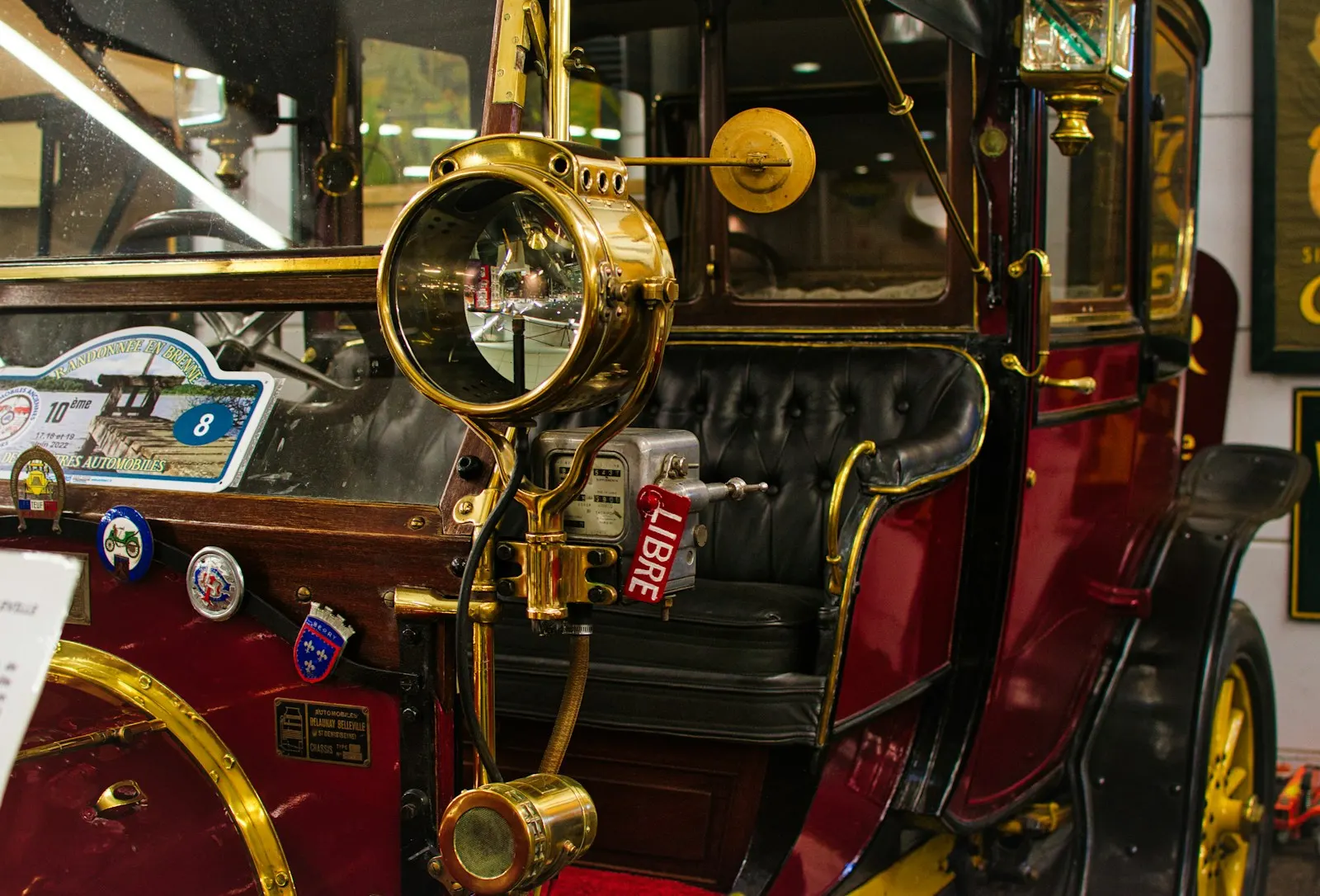
Of the 396 veterans flagged away from Hyde Park on Sunday, all built before 1905, 349 made it to the Sussex coast.
The Royal Automobile Club, which has organised the London to Brighton Veteran Car Run since 1930, said the kind weather meant most entrants reached Madeira Drive well ahead of the 4.30pm cut-off that earns a finisher's medal. The Run isn't a race, but the first car in was a single-cylinder French-built 1903 Lacoste et Battmann, driven by a German entrant, in a little over three hours.
Motorcycles and pedal cycles of the same era went first, penny-farthings included. The first batch of cars followed at 6.53am, in age order, which gives the oldest machines the most time. The 60-mile route passed Buckingham Palace, Admiralty Arch and Whitehall before crossing Westminster Bridge, where it split in two to ease traffic in south London. One half took the A23 through Kennington, Brixton and Streatham Common and the other went through Vauxhall, Clapham Common and Tooting, before the two rejoined on the A236 north of Croydon.
The oldest Rolls-Royce and a land speed record holder
Among the most notable starters was the world's oldest surviving Rolls-Royce, a 1904 10hp in its original Primrose yellow. It's the fourth of 17 Type A cars built, and the first three have long since disappeared. The day before, it had been named Best in Show at the St James's Concours on Pall Mall.
Pink Floyd drummer Nick Mason and television presenter Alan Titchmarsh both took part. So did Andy Green, who broke another land speed record this year with the JCB Hydromax at more than 400mph, and who was among the last to finish in his 1904 Stanley steam car.
More than 100 marques were represented. Cadillac, Ford, Renault, Peugeot and Mercedes are still familiar, but most, Argyll, Aster and Yale among them, are long gone. Some of this year's cars ran on sustainable e-fuels supplied by an official partner of the event, and entries came from as far away as Australia and Hong Kong, with 21 from the United States alone.
Why the flag gets torn up
The event remembers the Emancipation Run of 14 November 1896, when 33 motorists drove from London to Brighton to mark the Locomotives on Highways Act. That law raised the limit for light locomotives from 4mph to 14mph and ended the rule that someone had to walk ahead of a motor vehicle with a red warning flag.
So each year's Run opens with a red flag being ripped in two. This time the job fell to Marcus Breitschwerdt, head of Mercedes-Benz Heritage, and Duncan Wiltshire, the Royal Automobile Club's chairman. An example of Carl Benz's three-wheeled Patent-Motorwagen stood at the start, 140 years after it appeared.
Next year's Run is on Sunday 7 November.