
How to make your garden a welcome stop for hedgehogs
A small hole in a fence, a pile of leaves and a dish of water can make a real difference. Here is how to help hedgehogs this autumn.
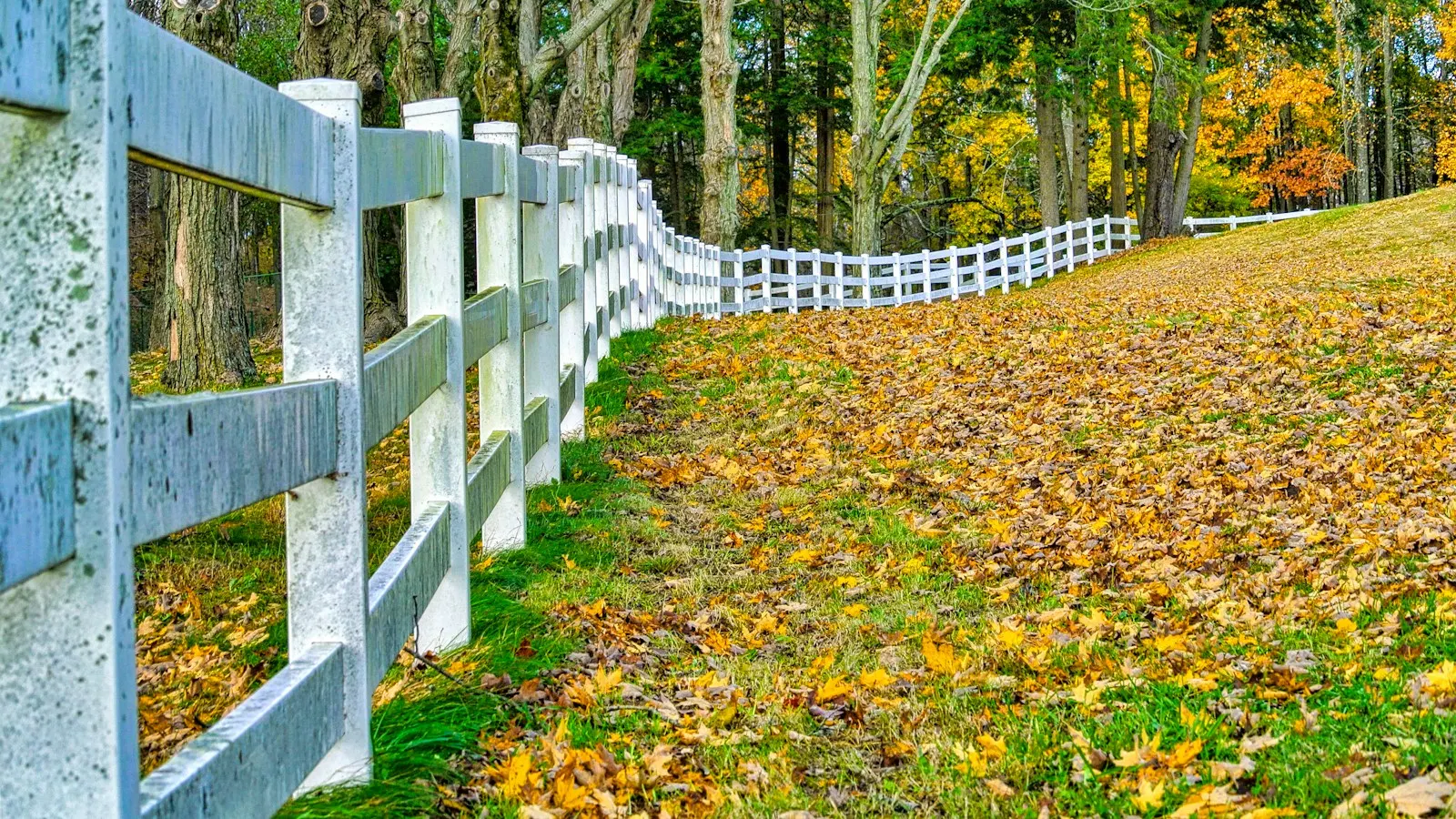
Few garden visitors are as cheering as a hedgehog snuffling across the lawn at dusk. They are also among the easiest wild animals to help, and autumn is the perfect time to start. As the nights draw in, hedgehogs are busy feeding up and looking for somewhere snug to spend the winter.
Open up a hedgehog highway
Hedgehogs roam a long way at night in search of food and mates, but fences and walls can cut gardens off from each other. The conservation project Hedgehog Street, run by the British Hedgehog Preservation Society and People's Trust for Endangered Species, encourages people to create "hedgehog highways" between gardens.
All it takes is a gap. A hole 13cm by 13cm is big enough for any hedgehog to pass through, and too small for nearly all pets. You can:
- cut a small square in the bottom of a wooden fence
- remove a brick from the base of a wall
- dig a shallow channel under a fence, wall or gate
Have a word with your neighbours first. A highway works best when several gardens on a street are linked, and it is a friendly way to get to know people next door.
Let one corner go wild
A very tidy garden offers little for a hedgehog. Leaving one corner a bit wild gives them insects to eat and somewhere to shelter. Hedgehog Street suggests:
- piling up logs in a quiet corner, where beetles and other insects will move in
- leaving fallen leaves under hedges and shrubs, which hedgehogs use to build nests
- planting a mix of nectar-rich plants to bring in insects
- avoiding weedkillers and other chemical treatments on the lawn
A hedgehog house, bought or home-made, placed in a sheltered spot can also be used as a winter nest.
A shallow dish of fresh water is always welcome, and especially useful in dry weather. If you want to put out food, meaty cat or dog food or specialist hedgehog food are suitable. Never offer milk or bread. Hedgehogs cannot digest milk properly and bread has little nutritional value for them.
Put food in a spot that cats and foxes cannot easily reach, for example under a low shelter with an entrance only a hedgehog could fit through.
Safety around the garden
Late October and early November is a risky time for hedgehogs. A pile of branches and leaves waiting to be burned looks like a perfect place to sleep. The safest approach is to build bonfires on the day you plan to light them, or to move the whole pile to a new spot just before lighting it. If that is not possible, check carefully underneath with a torch first.
Other simple steps help all year:
- check long grass before strimming or mowing
- give ponds a sloping edge or a ramp so anything that falls in can climb out
- cover drains and holes that a hedgehog could fall into
- tidy away netting, which can trap them
Hedgehogs are nocturnal. According to the British Hedgehog Preservation Society, one seen out in daylight could be in distress, and the society has guidance online on what to do. If you find a hedgehog that seems unwell or injured, contact a local wildlife rescue or a vet for advice.
Spotting a hedgehog in your garden is one of the small joys of autumn evenings. Hedgehog Street invites people to record sightings on its online map, which helps build a picture of where hedgehogs are living. With a gap in the fence and a pile of leaves, your garden could soon be on it.