
400 young barbel stocked in the Thames at Marlow with blue marks for anglers to report
The release at Temple Lock is the first of three annual stockings that will put 1,200 barbel into the stretch between Temple and Marlow.
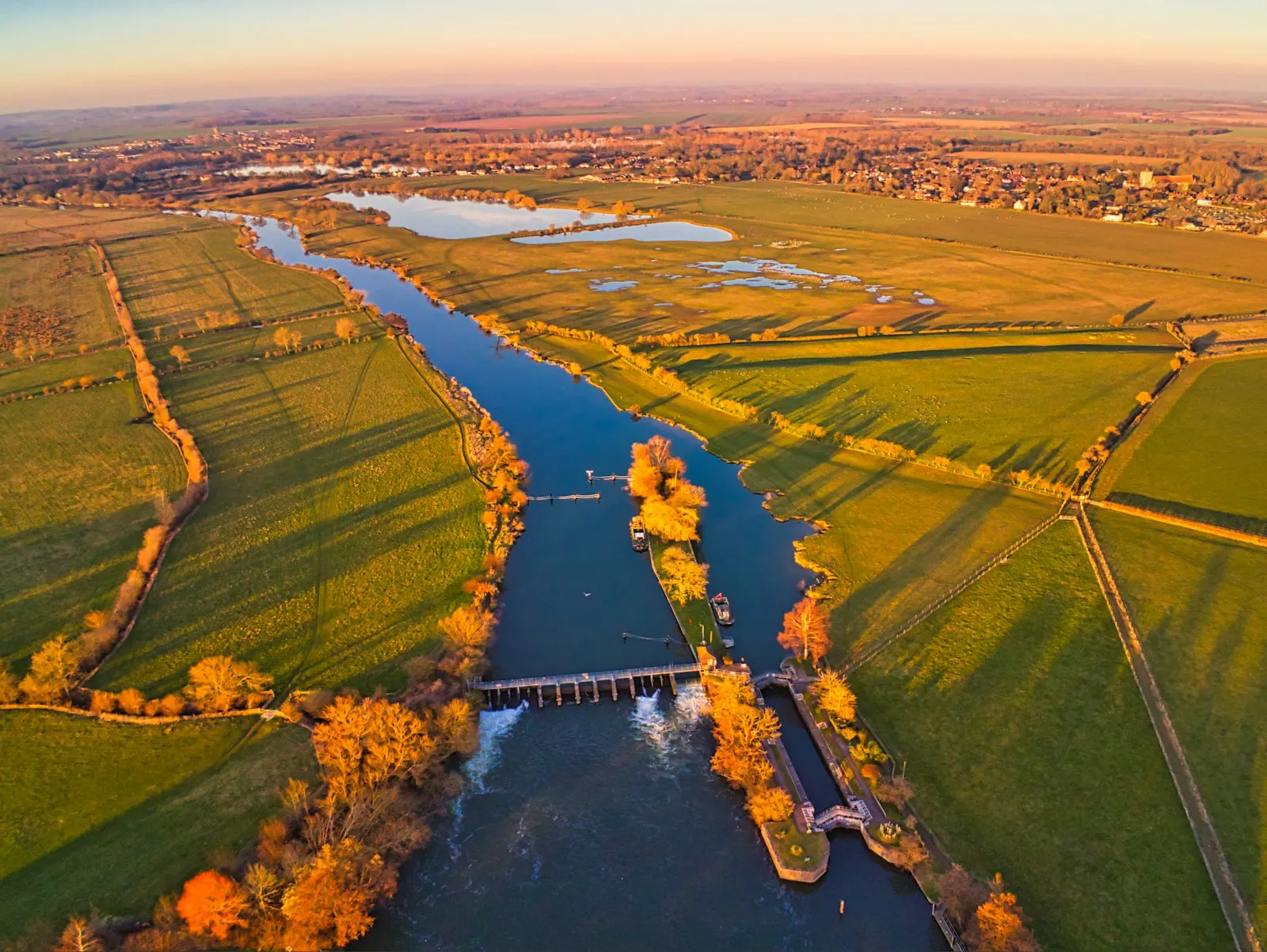
Four hundred young barbel are settling into a new stretch of the River Thames after the Environment Agency released them at Temple Lock in Marlow this week.
The release is the first year of a three-year programme that will put 1,200 barbel into the river between Temple and Marlow. Each fish carries a blue dye mark, so the agency can find out how many survive, how fast they grow and how far they travel.
That depends on anglers. Anyone who lands a blue-marked barbel is asked to photograph it on both sides, record its length and weight where possible, and send the pictures and details to WTfisheries@environment-agency.gov.uk.
Why stock fish in winter
The agency releases fish when the water is cold because lower temperatures put less stress on them and improve their chances of survival. A winter start also gives the barbel a few months to get used to their surroundings before the spring spawning season.
All of them were bred at the agency's fish farm at Calverton in Nottinghamshire, which has reared 478,937 fish this year for fisheries across the country. In the Thames area alone, 35,950 fish are being stocked at 21 rivers and fisheries this year, among them chub, dace, roach, tench, rudd, bream, grayling and crucian carp as well as barbel. The agency uses national fish survey data to pick places where numbers need a lift, such as waters with poor breeding, low survival or a past pollution incident.
The work is funded by rod licence sales. Anyone fishing for freshwater fish with a rod and line in England needs one, apart from children under 13, and junior licences for 13 to 16 year olds are free. Fishing from Thames locks and weirs also needs a separate lock and weir permit.


