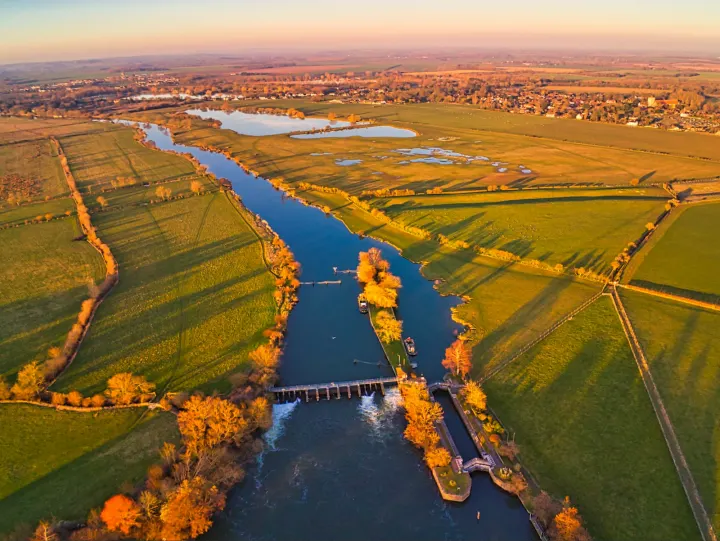
Tayside and Forth beaver survey finds 349 territories, up from 39 in 2012
Surveyors walked and paddled 2,397km of rivers, burns and ditches, and found beavers spending more of their time in waterside woodland and less on farmland.
NatureScot's survey, published on Monday, confirmed 349 territories in Tayside and Forth and found 56 more possible ones, which would take the total to 405. Each earlier count was higher than the last: 39 in 2012, 114 in 2017-18 and 251 in 2020-21.
The fieldwork ran from 2024 to 2026. Beaver Trust surveyors covered 2,397km of rivers, burns, lochs and drainage channels on foot and by canoe, in a survey run with NatureScot and the University of Exeter. They logged 20,853 confirmed signs of beavers at work: burrows, lodges, dams, scent mounds, dug canals, and gnawed trees and crops.
Beavers are now settled across Forth and Fife, along the shore of the Firth of Tay, and in the South Esk and Clyde catchments. On the Tay and the Forth, where they have lived longest, new families are filling the gaps between existing territories. The Beaver Trust said growth was slowing as the main catchments filled up, with natural and man-made barriers keeping the animals out of some new areas.
Woods rather than fields
Half of the activity recorded this time was in waterside woodland and 28% on agricultural land. In 2020-21 the split was 41% on farmland and 34% in woodland.
Surveyors also found more dams relative to the number of beavers. NatureScot said that could mean the animals are moving into less agricultural country and onto smaller burns.
The survey does not put a number on the beavers themselves, because the size of a family group varies from one territory to the next.
NatureScot's Beaver Mitigation Scheme stays open to land managers as the animals spread. Members of the Scottish Beaver Advisory Group have also put out an information pack on living with beavers, aimed mainly at areas where they are newly arriving. The full results are in NatureScot Research Report 1430.
Elsewhere in Scotland, a family of six beavers was released into the Loch Ness catchment earlier this month.